Abe Jarjoura D.D.S., M.S.
Introduction
The years keep marching on and as they move, our bodies seem to be getting stiffer and stiffer. We are not as limber as we used to be which contributes to increased propensity to injury, discomfort, and lack of mobility. The decreased mobility increases the propensity to stiffness which in tern decreases mobility, and so on and so on.

Practicing dentistry for many years, as I have done, can be stressful on your muscles and posture. You find yourself contorted in many ways which are detrimental to your general well being.
The placement of everything in the treatment room, aka ergonomics, has to take into consideration the position of your body; your back, your head, your neck, etc. in order to maximize the efficiency in motions and minimize the harmful effects of stress on your body.
There are many devices that help with that; different chair and stool designs to keep your legs in the ideal position. Loops to decrease the need to bend and twist in order to visualize the operating field correctly, and patient chairs that position the patient’s head in ideal positions for efficient treatment.
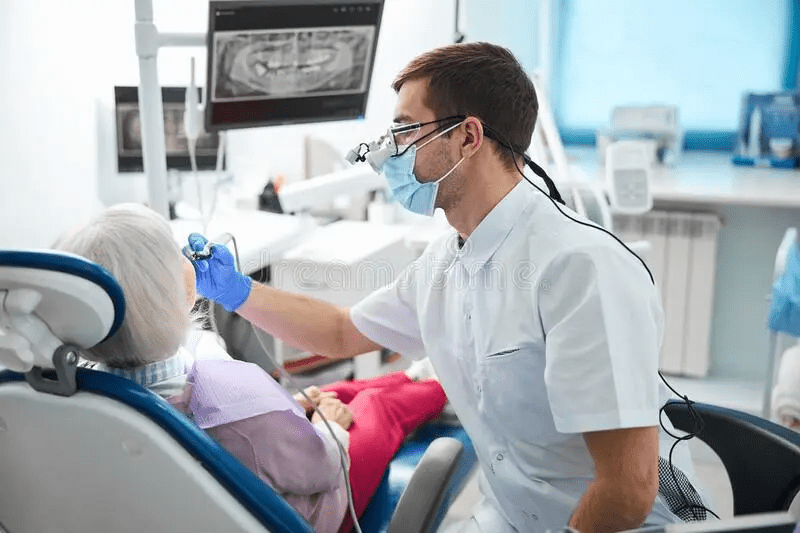
All are good innovations based on continuous research in Kinesiology and ergonomics , but it seems that one of the best ways to prevent injury and reduce pain while increasing your well being is improving your flexibility and staying limber. Some ways to do that include the following:
1. Stretching
There are multiple techniques for stretching that target different parts of the body. Stretching in the morning when the muscles are ” cold” is essential for a strong day. It increases blood flow into the muscles and gets them primed for the day’s physical activity. A study published in the Journal of Sports Rehabilitation found that stretching improved the flexibility in the hamstrings, flexors and shoulders. Another study in the Journal of Athletic Training found that stretching reduced pain in people with knee arthritis.

2. Yoga
Yoga can help increase flexibility and balance, as well as improve breathing and overall body strength. A study published in the Journal of Geriatric Physical Therapy found that a 12 week yoga intervention improved muscle strength and balance in older adults. Also, a review of studies published in the Journal of Pain found that yoga was effective in reducing chronic low-back pain.

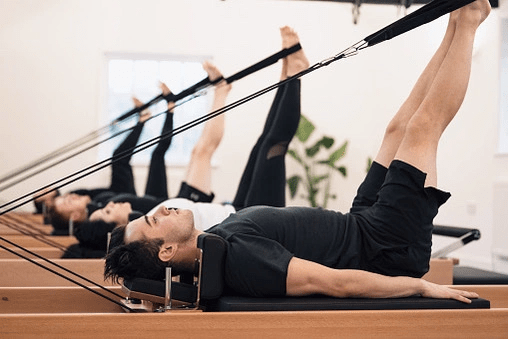
3. Pilates
Pilates can help improve flexibility, core strength, and balance. A study published in the Journal of Osteopathic and Sports Physical Therapy found that a 12-week Pilates intervention reduced lower back pain in adults. A study published in the Journal of Bodywork and Movement Therapies found that regular Pilates practice improved posture in healthy adults.
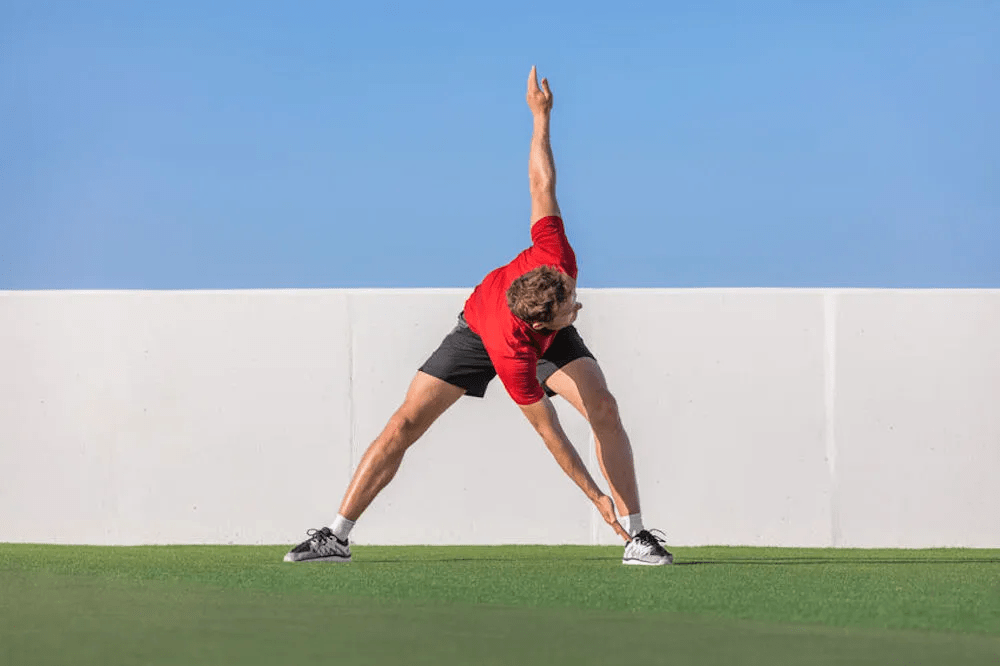
4. Dynamic Stretching
Dynamic Stretching which involves moving the body through a full range of motion can help improve flexibility. A study published in the Journal of Strength and Conditioning Research found that Dynamic Stretching improved flexibility in collegiate athletes. In addition, a study published in the Journal of Sports Science and Medicine found that a Dynamic Stretching routine improved range of motion in the shoulder joint.
5. Foam Rolling
Foam Rolling can help to release tight muscles and improve flexibility. A study published in the Journal of Sports Rehabilitation found that foam rolling improved the flexibility in the hamstrings, quadriceps, and iliotibial band. Also a study published in the Journal of Athletic Training found that foam rolling improved blood flow to the muscle after intense exercise.

6. Barre Classes
Barre Classes can improve flexibility, balance and core strength. This is a form of exercise that combines elements of ballet, yoga and pilates. A study published in the Journal of Sports Rehabilitation found Barre classes to be effective in improved posture in healthy adults. It also found Barre classes to be effective in reducing weight, improving muscle endurance and improved flexibility in the hamstrings, hip flexors and shoulders.

7. Body Weight Exercise
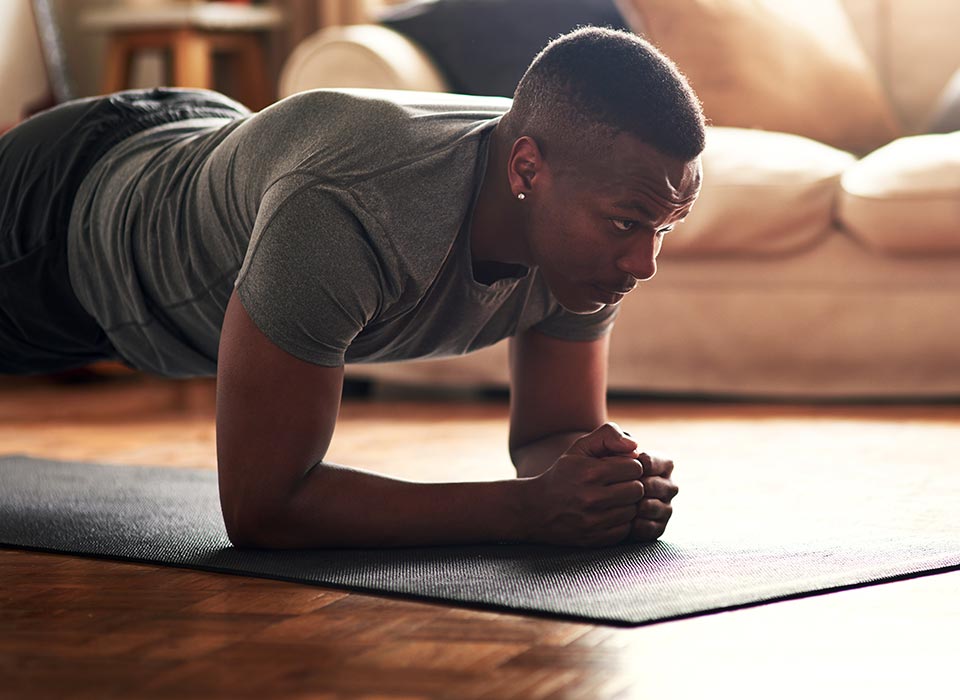
Body Weight exercises such as squats, lunges and pushups can help improve flexibility. Here, you use your body weight as resistance. A study published in the Journal of Physical Therapy Science found that a body weight training program improved flexibility in older adults. It also found that balance was improved in the same older adults.
8. Swimming
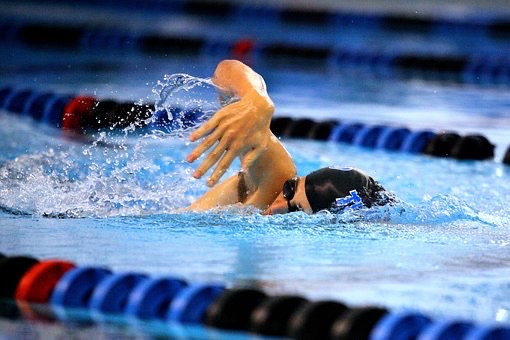
Swimming can improve flexibility, balance and overall body strength. It’s a form of aerobic exercise that benefits the swimmer for various health conditions. The Journal of Sports Medicine and Physical fitness published a study revealing that regular swimming improved muscle strength in older adults. It also showed that flexibility improved in those same adults.
9. Calisthenics
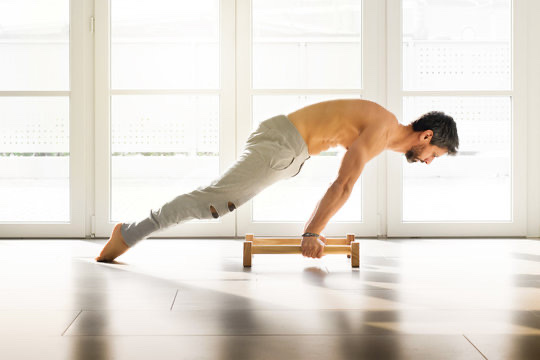
Calisthenics can help improve flexibility, balance and overall body strength. It’s a form of exercise that uses your body weight as resistance. It can be pushups, squats, or pull ups. The Journal of Strength and Conditioning published a study revealing that Calisthenics exercise was effective in reducing body fat and body weight in healthy adults, and also reported that calisthenics reduced the risk of injury in older adults and improved their flexibility.
Of course, there are other ways to improve flexibility and strength. Those can include gymnastics and even Ballet.
Conclusion
Most likely, a combination of what was mentioned above would give the best results for your body and mind, but implementing only one, on a consistent basis, can provide fantastic results.
A patient of mine who happened to be a personal trainer told me once: ” we don’t get stiff by getting old, we get old by getting stiff.”
Getting old is a part of life ( if we are lucky of course.) Practicing dentistry for many years, can be rewarding, both mentally and financially.
If we want to practice for a “while”, it behooves us to take care of our muscles and skeleton by keeping them flexible.

Abe Jarjoura D.D.S., M.S.
Founder: Dental Care Team Group
Founder: Control “Freaks”- A Facebook Group for Dentists Who Want to Smile More
 Control "Freaks"
Leave a comment