

“Communication – the human connection – is the key to personal and career success.”
Paul J. Meyer
Introduction

Efficient communication within a workplace has numerous benefits, including:
Reduced conflict: Clear communication can help reduce misunderstandings and conflict, leading to more positive and productive work environment.
Stronger relationships: Efficient communication builds trust and rapport among employees, leading to stronger working relationships.
Faster problem-solving: Efficient communication allows for timely sharing of information, leading to faster problem-solving.
Higher employee engagement: When employees feel their input is valued and communication is open and honest, they are more likely to be engaged and committed to their work.
Problems when communication is not efficient in the work place:
Misunderstandings: Poor communication can lead to misunderstandings between team members or between employees and management, which can lead to errors, delays, and mistakes.
Reduced productivity: Inefficient communication can lead to delays in tasks or projects, resulting in reduced productivity and missed deadlines.
Conflict: Poor communication can lead to conflict among team members, which can affect morale and reduce collaboration.
Poor decision-making: Inefficient communication can lead to delays in decision-making, resulting in missed opportunities or poor decisions.
Overall, inefficient communication can lead to a variety of negative consequences for both employees and the organization, highlighting the importance of effective communication within the workplace.
How to Communicate

Be clear and concise: When communicating, make sure you’re clear and concise. Avoid using jargon or technical language that others may not understand.
Use the right communication channel: Different situations call for different communication channels. Use face-to-face conversations, emails, phone calls, or instant messaging appropriately.
Provide feedback: Feedback is crucial for improving communication. Provide constructive feedback to your colleagues and ask for feedback in return.
Use technology to your advantage: Technology can help streamline communication within the workplace. Use tools like video conferencing, project management software, and instant messaging to facilitate communication and collaboration.
Communicating to the Group

Communication sent out to a group of people, can take many forms in the workplace. Here are some examples:
Meeting invitations: When scheduling a meeting, a manager may send out a dispatched email to all attendees with the meeting details, including the date, time, location, and agenda.
Project updates: A project manager may send out regular dispatched updates to the team, detailing the progress of the project, any issues that have arisen, and next steps.
Safety alerts: In a factory or warehouse setting, safety alerts may be dispatched over a loudspeaker system or through a messaging platform to alert employees to potential hazards or safety concerns.
Policy updates: When a company updates its policies or procedures, a dispatched email or memo may be sent to all employees outlining the changes and providing guidance on how to comply.
Training announcements: When a new training program is launched, a dispatched communication may be sent out to all relevant employees, providing details on the training schedule, content, and objectives.
Emergency notifications: In the event of an emergency, such as a fire or weather event, a dispatched message may be sent to all employees to inform them of the situation and provide guidance on what actions to take.
Purchase Order Requests

Communicating a purchase order request in the workplace typically involves a standardized process to ensure accurate and timely communication. Here are some examples of how a purchase order request may be communicated in a workplace:
Email: An employee may send an email to the purchasing department, specifying the details of the purchase order request, such as the item description, quantity, price, and vendor information
Purchase order form: Many organizations use a standardized purchase order form that employees must fill out and submit to the purchasing department. This form typically includes fields for item description, quantity, price, vendor information, and any required approvals.
Phone call: In some cases, an employee may need to communicate a purchase order request over the phone, particularly if it is urgent. They may provide the necessary information verbally to the purchasing department, who will then create the purchase order.
Online procurement platform: Some organizations use an online procurement platform to streamline the purchase order request process. Employees can log into the platform, select the items they need, and submit the request electronically.
Internal messaging system: In some workplaces, an internal messaging system, such as a chat or instant messaging platform, may be used to communicate purchase order requests. Employees can message the purchasing department with the necessary details and receive confirmation once the order has been processed.
Overall, the method used to communicate a purchase order request will depend on the organization’s policies and procedures. The goal is to ensure accurate and timely communication to ensure that the requested items are received in a timely and efficient manner.
Electronics
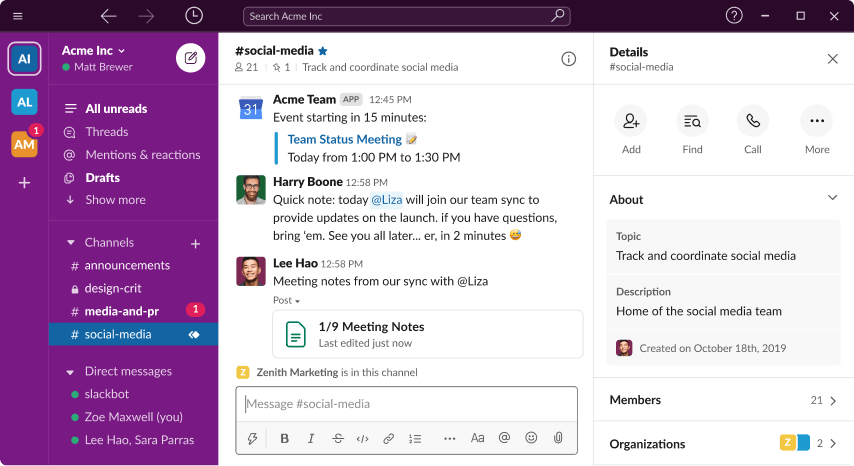
Electronic communication platforms have become increasingly popular in companies as they facilitate efficient and quick communication between employees and teams, especially when they are working remotely or in different locations. Here are some examples of electronic communication platforms used by companies:
Email: Email is one of the most widely used electronic communication platforms in companies. It allows employees to send and receive messages, attachments, and links, making it a versatile tool for both internal and external communication.
Instant messaging (IM) apps: Instant messaging apps, such as Slack, Microsoft Teams, and Google Chat, are widely used by companies for real-time messaging, file sharing, and video conferencing. These platforms allow teams to collaborate and communicate efficiently, regardless of their location.
Video conferencing software: Video conferencing software, such as Zoom, WebEx, and Skype, allow employees to hold virtual meetings with colleagues, clients, and partners.They offer a range of features, including screen sharing, recording, and chat, making them a useful tool for remote work and long-distance collaboration.
Intranet: An intranet is a private network that is only accessible to employees within an organization. It can be used to share company news, policies, and procedures, as well as to collaborate on projects and communicate with colleagues.
Project management software: Project management software, such as Asana, Trello, and Jira, allows teams to organize and track tasks and projects in real-time. These platforms often include communication features, such as comments and notifications, to keep teams updated on project progress and deadlines.
Enterprise social networking (ESN): ESN platforms, such as Yammer, Chatter, and Workplace by Facebook, are designed to facilitate communication and collaboration among employees. They allow employees to create profiles, join groups, share updates and documents, and participate in discussions, making them a useful tool for building a strong company culture.
Overall, electronic communication platforms have become an essential part of modern workplace communication, offering a range of features and benefits that can help companies to work more efficiently and effectively.
Conclusion
In conclusion, efficient communication in the workplace has numerous benefits that contribute to the success of an organization.
When communication is clear, concise, and timely, employees are able to collaborate effectively, make informed decisions, and achieve their goals.
Efficient communication also helps to reduce errors, misunderstandings, and conflicts, which can save time and resources. Furthermore, it can improve employee engagement, job satisfaction, and overall morale.
Therefore, investing in efficient communication strategies and tools, such as electronic communication platforms and standardized forms, can have a significant positive impact on the productivity an success of any business.

Abe Jarjoura D.D.S., M.S.
Founder: Dental Care Team Group
Founder: Abe Jarjoura Training LLC
 Control "Freaks"
Leave a comment