
Abe Jarjoura D.D.S., M.S.
Introduction:
First impressions are of paramount importance ( no kidding!) The patient’s initial encounter with your dental practice plays a crucial role in shaping their overall experience and can significantly influence their comfort level, trust in your services, and likelihood of returning for future appointments.
It is definitely more involved than just having an esthetically pleasant experience. That first impression can determine how the patient feels about the practice by potentially addressing anxiety, building trust and creating that, often sought after, positive and , hopefully, lasting impression.
In this article, I will list and discuss some essential elements that help create a welcoming environment in the dental practice.

The Importance of a Welcoming Environment
Dental anxiety is a common issue that affects many patients, often causing them to delay or avoid necessary dental care.
A welcoming environment can help mitigate these fears by providing a space that feels safe, comforting, and inviting.
Published online 2023 Aug 14. doi: 10.3390/jcm12165291
PMCID: PMC10455740
PMID: 37629334
supports the assertion that dental anxiety is a common issue that affects many patients and often leads to the delay or avoidance of necessary dental care.
The study highlights how dental anxiety significantly impacts patients’ dental care routines, leading to irregular visits, avoidance of necessary treatments, and ultimately, a negative effect on oral-health-related quality of life.
The findings underscore the importance of addressing dental anxiety to improve patient outcomes and suggest that creating a welcoming and comfortable dental environment can be an effective strategy to reduce anxiety and encourage regular dental visits.
When patients feel at ease, they are more likely to have a positive experience, leading to higher satisfaction rates and increased patient loyalty.
Published online 2021 Apr 9. doi: 10.1177/00469580211007221
PMCID: PMC8040618
PMID: 33834860
supports the assertion that when patients feel at ease, they are more likely to have a positive experience, leading to higher satisfaction rates and increased patient loyalty.
This study examines how patient satisfaction directly influences patient loyalty and highlights that trust plays a crucial mediating role in this relationship. When patients feel comfortable and trust their healthcare provider, their satisfaction increases, which in turn strengthens their loyalty to the practice.
The findings suggest that creating an environment where patients feel at ease and confident in the care they receive is essential for fostering satisfaction and loyalty.
Additionally, a well-designed, welcoming environment reflects the professionalism and care that your practice embodies, making a strong statement about the quality of service patients can expect.

How to Create a Welcoming Environment
1. Design and Décor: Setting the Tone
The first impression a patient has when entering your practice is determined by the physical environment. They notice it before they meet a single person, and I would argue, it starts in the parking lot before they get out of their car.
A thoughtful design can transform a sterile, clinical space into a warm, and inviting place where patients feel comfortable and relaxed.
Here are seven strategies to accomplish thoughtful design and décor in your dental office, setting the tone for a welcoming and comfortable environment:
7 Strategies to Enhance the Patient-Experience Through Design and Decor:
1. Choose a Calming Color Scheme
- How to Do It: Soft, neutral tones like light blues, greens, and beige. These colors are known for their calming effects, helping to reduce anxiety and create a serene atmosphere. Avoid overly bright or harsh colors, which can increase stress or make the space feel clinical. A study titled “Foliage colors improve relaxation and emotional status of university students from different countries” by Liu Kexiu, Mohamed Elsadek, Binyi Liu, and Eijiro Fujii published in Heliyon. 2021 Jan; 7(1): e06131.Published online 2021 Jan 31. doi: 10.1016/j.heliyon.2021.e06131PMCID: PMC7855717PMID: 33553766 supports the idea that certain colors, particularly soft and natural tones like greens, can have calming effects and help reduce anxiety. The study demonstrates that exposure to foliage colors, particularly green, significantly improved relaxation and emotional status among university students from different countries. This aligns with the concept that incorporating soft, neutral tones, such as greens and blues, into the design of a space can create a more serene atmosphere and help alleviate stress.Although the study specifically focuses on foliage colors, the broader implication is that natural and calming colors in general, like light blues, greens, and beige, are effective in creating a relaxing environment.
- Why It Works: As suggested in the study cited above, colors have a psychological impact on mood and emotions. Calming colors make the space feel more relaxing, helping patients to feel at ease from the moment they enter.
2. Incorporate Natural Elements
- How to Do It: Use natural materials like wood, stone, and plants in your design. Wooden furniture, stone accents, and indoor plants can bring a touch of nature indoors, contributing to a more welcoming and organic feel.
- Why It Works: Natural elements help create a sense of peace and tranquility, making the environment feel more grounded and less clinical. A study titled “Physiological Benefits of Viewing Nature: A Systematic Review of Indoor Experiments” by Hyunju Jo, Chorong Song, and Yoshifumi Miyazaki, published inInt J Environ Res Public Health. 2019 Dec; 16(23): 4739.Published online 2019 Nov 27. doi: 10.3390/ijerph16234739PMCID: PMC6926748PMID: 31783531 supports the idea that natural elements help create a sense of peace and tranquility, making the environment feel more grounded and less clinical.The study systematically reviews indoor experiments and highlights the physiological benefits of viewing nature, such as reduced heart rate, lower blood pressure, and decreased stress levels. These findings suggest that incorporating natural elements, such as plants, natural materials, and views of nature, into indoor environments can promote relaxation and a sense of well-being. This supports the assertion that natural elements in a dental office or any clinical setting can contribute to a more serene and comforting atmosphere, thereby reducing the clinical feel of the space and enhancing the overall patient experience.
3. Use Soft Lighting
- How to Do It: Replace harsh fluorescent lighting with softer, warmer options. Use LED lights with adjustable settings, or incorporate lamps and indirect lighting to create a softer glow.
- Why It Works: Soft lighting reduces glare and creates a more relaxing ambiance. It helps soften the overall look of the space, making it feel more like a home than a medical facility. A study titled “Lighting to Make You Feel Better: Improving the Mood of Elderly People with Affective Ambiences” by Andre Kuijsters, Judith Redi, Boris de Ruyter, and Ingrid Heynderickx published in PLoS One. 2015; 10(7): e0132732.Published online 2015 Jul 20. doi: 10.1371/journal.pone.0132732PMCID: PMC4507869PMID: 26192281 supports the idea that soft lighting reduces glare and creates a more relaxing ambiance. The study investigates how different lighting conditions can influence the mood and emotional well-being of elderly individuals. It found that warm, soft lighting contributed to more positive emotional states by creating a calming and comfortable atmosphere. This research aligns with the assertion that soft lighting can help soften the overall look of a space, making it feel more like a home rather than a clinical or institutional environment. By reducing glare and using warmer tones, lighting can significantly impact the ambiance of a room, promoting relaxation and comfort, which is particularly beneficial in settings like dental offices where reducing patient anxiety is a priority.
4. Add Comfortable and Stylish Furnishings
- How to Do It: Invest in quality furniture that is both comfortable and aesthetically pleasing. Choose ergonomic chairs for the waiting area, and ensure that treatment room furnishings are designed for patient comfort.
- Why It Works: Comfortable furniture helps patients physically relax, which can ease anxiety. Stylish, modern furnishings also contribute to a professional and inviting atmosphere. A study titled “Maximising comfort: how do patients describe the care that matters? A two-stage qualitative descriptive study to develop a quality improvement framework for comfort-related care in inpatient settings” by Cynthia Wensley, Mari Botti, Ann McKillop, and Alan F. Merry published in BMJ Open. 2020; 10(5): e033336.Published online 2020 May 18. doi: 10.1136/bmjopen-2019-033336PMCID: PMC7239554PMID: 32430447Original research supports the idea that comfortable furniture helps patients physically relax, which can ease anxiety. The study explores how patients define comfort and the types of care that contribute to their overall well-being in inpatient settings. It highlights that comfort-related care, including the physical environment such as comfortable furnishings, significantly impacts patients’ emotional and physical comfort. The findings suggest that well-designed, comfortable furnishings are essential in creating an environment that helps patients relax, reduces stress, and contributes to a positive perception of the care they receive. Additionally, the study implies that a thoughtfully designed environment, which includes stylish and modern furnishings, not only enhances comfort but also promotes a professional and inviting atmosphere.
5. Incorporate Art and Visuals
- How to Do It: Decorate your walls with calming artwork, such as landscapes, abstract art, or images of nature. Avoid overly busy or complex pieces that might overwhelm patients.
- Why It Works: Art can have a soothing effect and provide a distraction for anxious patients. Thoughtful visuals can enhance the overall aesthetic appeal and make the space feel more personalized. A study titled “Evidence for the effects of viewing visual artworks on stress outcomes: a scoping review” by Mikaela Law, Nikita Karulkar, and Elizabeth Broadbent and published in BMJ Open. 2021; 11(6): e043549.Published online 2021 Jun 30. doi: 10.1136/bmjopen-2020-043549PMCID: PMC8246362PMID: 34193477Original research supports the assertion that art can have a soothing effect and provide a distraction for anxious patients. The study reviews evidence on the impact of viewing visual artworks on stress outcomes, showing that exposure to art in healthcare settings can reduce stress and anxiety, promote relaxation, and contribute to a more positive emotional state. The review suggests that incorporating art into clinical environments can enhance the overall aesthetic appeal, personalize the space, and create a more welcoming and less clinical atmosphere.
6. Design a Spacious and Open Layout
- How to Do It: Arrange your office layout to avoid overcrowding and create an open, airy feel. Ensure that there is plenty of space between seating areas and that pathways are clear and unobstructed.
- Why It Works: A spacious layout helps prevent the feeling of being cramped, which can exacerbate anxiety. It also promotes a sense of order and cleanliness, contributing to a more relaxing environment.
7. Use Soundscaping
- How to Do It: Integrate calming background music or natural sounds, like running water or bird songs, into your office environment. This can be achieved through a sound system that plays ambient music or nature sounds at a low volume.
- Why It Works: Soundscaping can mask the noise of dental equipment, which often causes anxiety. Calming sounds also contribute to a peaceful atmosphere, helping patients feel more at ease.
- Calming color scheme
- Incorporate natural elements
- Use soft lighting
- Comfortable and stylish furniture
- Incorporate art and visuals
- Spacious and open layout
- Use soundscaping
2. Friendly Reception: The Human Touch
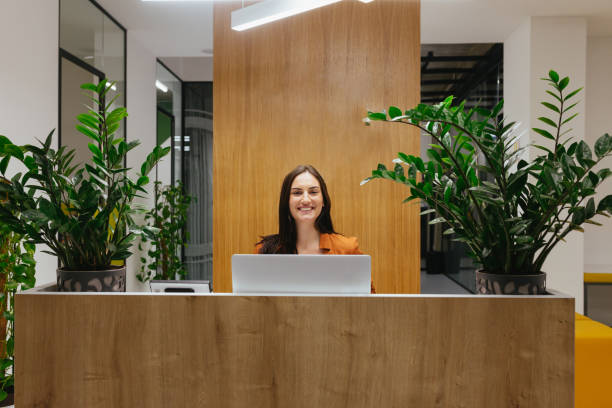
The reception area is the front line of patient interaction. It is where you RECEIVE the patients. It is where the patient has his or her first interaction with a human being in the physical space of your practice. It is where the patient forms his or her first impression of the humans that are present on the premises.
All of that is obvious, and the way your staff engages with patients can make or break their experience.
A friendly, welcoming reception sets the tone for the entire visit, making patients feel valued and at ease.
It is that important!
Strategies to Enhance the Patient-Experience Through the Human Touch:
1. Warm Greetings:
- Personalized Training: Develop or access a training program focused on customer service skills, specifically on the importance of personalized greetings. Role-play scenarios where staff practice greeting patients by name, making eye contact, and offering a friendly smile.
- Daily Morning Huddles: Start each day with a brief team huddle where the front desk staff is reminded of the importance of personal greetings. Encourage sharing any patient-specific notes, like birthdays or anniversaries, that could make the greeting even more personalized.
- Feedback Loop: Implement a system where patients can provide feedback on their experience at the front desk. Use this feedback to continuously improve and acknowledge staff who consistently deliver warm and personalized greetings.
2. Professionalism with Empathy:
- Empathy Workshops: Conduct or access workshops that focus on the importance of empathy in patient interactions. Use case studies and role-playing to help staff understand how to balance professionalism with empathy, especially when dealing with anxious or upset patients.
- Empathy Scripts: Create scripts that guide staff on how to express empathy while maintaining professionalism. For example, instead of saying “You’re late,” train them to say, “I understand things can get hectic; let’s see how we can accommodate you.”
- Supportive Environment: Encourage a work culture that prioritizes emotional support among staff members. A team that feels supported is more likely to extend that empathy to patients.
3. Effective Communication:
- Clear Communication Protocols: Establish clear communication protocols that guide staff on how to explain procedures, confirm appointments, and handle paperwork. These protocols should emphasize the importance of clarity and patience in all interactions.
- Regular Training: Offer regular communication skills training, focusing on listening actively, using simple language, and confirming understanding. Incorporate patient feedback to refine these trainings over time.
- Visual Aids and Handouts: Provide staff with visual aids or handouts that can be used to help explain complex procedures or paperwork to patients. This can prevent misunderstandings and make the communication process smoother.
4. Proactive Assistance:
- Observation and Anticipation Training: Train staff to observe patients’ body language and behavior to anticipate their needs. For example, if a patient looks lost or confused, staff should approach them and offer assistance before being asked.
- Accessibility Focus: Ensure that your practice is accessible and welcoming to all patients, including those with disabilities or mobility issues. Train staff to recognize when a patient might need help, such as opening doors or offering a seat.
- Standard Operating Procedures (SOPs): Develop SOPs for common situations where proactive assistance is needed, such as helping elderly patients, providing directions, or offering refreshments. These procedures should be well-documented and regularly reviewed.
Shameless Plug: You can access free courses that I developed specifically to address effective communication in a dental practice by joining our FREE group “Control Freaks Academy”here :
https://www.skool.com/control-freaks-1710/about
Implementing These Strategies:
1. Continuous Feedback and Improvement:
- Regularly gather feedback from patients through surveys or comment cards about their experience with your front desk staff. Use this data to make informed adjustments to training and procedures.
2. Recognition and Rewards:
- Implement a recognition program that rewards staff members who consistently demonstrate these strategies. This could include ‘Employee of the Month’ programs or simple public acknowledgments during team meetings.
3. Mystery Shopper Program:
- Consider implementing a “mystery shopper” program where an incognito visitor evaluates the patient experience, focusing on how well staff members implement these strategies.
- Warm greetings
- Professionalism with empathy
- Effective communication
- Proactive assistance

3. Comfortable Waiting Area: Creating a Relaxing Space
Of course, the waiting/ reception area is where patients spend time before their appointment, and it can be a critical factor in their overall experience.
A comfortable, well-appointed waiting area can help reduce pre-appointment anxiety and make the wait more pleasant as mentioned aerlier along with cited studies that support this assertion.
7 Strategies to Enhance the Patient-Experience Through Creating a Relaxing Space in the Reception/Waiting Environment:
1. Provide Thoughtful Amenities:
- Complimentary Beverage Station: Set up a beverage station with options like coffee, tea, water, and even hot chocolate. Consider offering herbal teas known for their calming effects, such as chamomile or peppermint. Providing healthy snacks like granola bars, fresh fruit, or nuts can further enhance the patient experience ( but that could get expensive and cause some challenges to the treatment with “stuff” being stuck to the patients’ teeth, so USE WITH CATION!
- Personalized Touches: Offer customizable options, such as flavored syrups for coffee or a variety of tea bags, to cater to different tastes. Include disposable cups with lids to allow patients to take their beverages into the treatment area if desired.
Implementation Tips:
- Regularly monitor and restock the beverage and snack stations to ensure they are always available.
- Place the beverage station in a central, easily accessible location, but away from high-traffic areas to avoid congestion and spills.
2. Curate Entertainment Options:
- Digital Content: Install tablets or smart TVs that offer a variety of entertainment options, including e-books, games, and educational videos about dental health. For those who prefer traditional media, provide a selection of current magazines and newspapers.
- Interactive Content: Consider apps or digital platforms that allow patients to learn about their upcoming procedures, explore dental health tips.
Implementation Tips:
- Update digital content regularly to keep it fresh and engaging.
- Ensure that there are enough devices or magazines available to prevent boredom during longer wait times.
3. Create a Dedicated Children’s Area:
- Designated Play Area: Design a section of the waiting area specifically for children, equipped with toys, coloring books, and educational games. Include comfortable seating for parents who may want to supervise their children while they play.
- Child-Friendly Décor: Use bright, cheerful colors and child-friendly artwork to make the area inviting for young patients.
Implementation Tips:
- Rotate toys and activities regularly to keep the area engaging for repeat visitors.
- Ensure that all toys and materials are easy to clean and disinfect to maintain hygiene.
4. Invest in Comfortable Furnishings:
- Ergonomic Seating: Choose chairs and sofas that are both stylish and comfortable. Consider ergonomic designs that support good posture and reduce discomfort during longer waits.
- Thoughtful Layout: Arrange seating in small clusters to create a sense of privacy for individuals or families, while also offering areas where patients can interact if they choose. Ensure there is enough space between seating to avoid a crowded feeling.
Implementation Tips:
- Test different seating arrangements to find the most effective layout for your space.
- Include a mix of seating options, such as sofas, armchairs, and chairs with arms, to cater to various patient preferences.
5. Prioritize Cleanliness and Organization:
- Daily Cleaning Protocols: Establish a strict cleaning schedule to ensure that the waiting area is spotless at all times. This should include regular sanitization of high-touch surfaces, like door handles, tabletops, and digital devices.
- Clutter-Free Environment: Provide sufficient storage solutions, such as magazine racks and toy bins, to keep the area organized and free of clutter.
Implementation Tips:
- Assign specific staff members to monitor and clean the waiting area throughout the day.
- Place hand sanitizers at key locations within the waiting area to encourage cleanliness among patients.
6. Incorporate Calming Design Elements:
- Soothing Color Palette: Use soft, neutral colors like light blues, greens, and beiges to create a calming atmosphere. Avoid bright, harsh colors that can increase anxiety.
- Nature-Inspired Décor: Include elements like indoor plants, nature-themed artwork, or even a small indoor water feature to add a sense of tranquility to the space.
Implementation Tips:
- Choose low-maintenance plants that thrive indoors and require minimal care.
- Ensure that the artwork and décor are consistent with the overall aesthetic of your practice.
7. Offer Engaging Patient Education:
- Educational Materials: Provide brochures, pamphlets, or videos that educate patients about dental health, procedures, and preventive care. This not only keeps them engaged but also reinforces the value of the care they are about to receive.
- Interactive Displays: Install touchscreens or interactive displays that allow patients to explore dental topics, learn about their treatment options, or watch testimonials from other patients.
Implementation Tips:
- Keep educational materials up-to-date and relevant to the services you offer.
- Encourage staff to point out these resources to patients, especially those who seem anxious or have questions about their care.
- Provide thoughtful amenities
- Curate entertainment options
- Create a dedicated children area
- Invest in comfortable furnishings
- Prioritize cleanliness and organization
- Incorporate calming design elements
- Offer engaging patient education
Conclusion:
Creating a welcoming environment in your dental practice is not just about aesthetics; it’s about building a space where patients feel safe, valued, and cared for from the moment they walk through the door.
By focusing on thoughtful design and décor, a friendly reception, and a comfortable waiting area, you can significantly enhance the patient experience, reduce anxiety, and foster long-term loyalty.
Remember, the effort you put into creating a welcoming environment will pay off in patient satisfaction, retention, and word-of-mouth referrals, making it a cornerstone of your practice’s success.
By implementing these strategies, your practice can stand out as a place where patient comfort and care are the top priorities, setting the stage for a positive, lasting relationship with every patient who walks through your doors.

Abe Jarjoura D.D.S., M.S.
Founder: Dental Care Team Group
Control Freaks Academy– A group designed for dentists who want to know more and regain control over their practices and lives.
https://www.skool.com/control-freaks-1710/about
Newsletter: “five 4D Newsletter”

 Control "Freaks"
Leave a comment