-
7 Strategies to Embrace the Wisdom of Napoleon Bonaparte’s Quote on Destiny

By Abe Jarjoura
Introduction:
Napoleon Bonaparte once said, “The torment of precautions often exceeds the dangers to be avoided. It is sometimes better to abandon one’s self to destiny.”
This quote highlights a profound truth about life: the excessive worry and preparation we invest in avoiding potential risks can often be more burdensome than the risks themselves.
Embracing uncertainty and trusting in the flow of life can sometimes be the most liberating and effective approach.
Here are seven strategies to help you embrace this mindset and achieve a more balanced and fulfilling life.
1. Cultivate Mindful Awareness

Mindfulness is the practice of staying present in the moment, free from excessive worry about the future.
By focusing on the present, you can reduce the mental torment of constant precautionary thinking. Instead of worrying about what might go wrong, engage fully in what is happening right now.
This helps you respond to life’s challenges with clarity rather than being overwhelmed by fear of the unknown.
Tip: Start your day with a short meditation session to center your thoughts and cultivate a calm, focused mind.
2. Set Clear Intentions, Not Rigid Plans

While planning is important, overly rigid plans can trap you in a cycle of anxiety and precaution.
Instead, set clear intentions for what you want to achieve and remain flexible about how you get there.
This approach allows you to adapt to changing circumstances without the stress of clinging to a predefined path.
Tip: Each week, write down your top three intentions. Focus on the outcomes you desire rather than the exact steps to achieve them.
3. Embrace the Unknown

The fear of the unknown often drives people to excessive precautions. However, the unknown also holds the potential for growth, learning, and new opportunities.
By embracing uncertainty, you open yourself up to possibilities that rigid precautionary measures might otherwise block.
Tip: Challenge yourself to step out of your comfort zone regularly, whether it’s trying something new or making a decision with uncertain outcomes.
4. Trust Your Inner Wisdom

Intuition is a powerful tool that often gets overshadowed by overthinking.
Learning to trust your gut feelings can reduce the need for excessive precautions.
Your intuition, honed by experience and self-awareness, can guide you in making decisions that align with your true self.
Tip: When faced with a decision, take a moment to pause and listen to your inner voice before jumping into analytical thinking.
5. Focus on What You Can Control

One of the main reasons people take excessive precautions is the desire to control outcomes.
However, many aspects of life are beyond our control.
By focusing on what you can control—your actions, attitudes, and responses—you can reduce anxiety and allow life to unfold naturally.
Tip: Create a list of things you can and cannot control. This exercise can help you redirect your energy toward what truly matters.
6. Let Go of Perfectionism

Photo of dark skin lady with closed eyes holding hands on shoulders wear, warm knitted jumper isolated yellow background Perfectionism often drives people to take excessive precautions to avoid any possible failure.
However, this mindset can be paralyzing.
Accepting that mistakes and imperfections are part of the journey can free you from the torment of trying to avoid every potential pitfall.
Tip: Practice self-compassion and remind yourself that it’s okay to be imperfect. Mistakes are valuable learning opportunities.
7. Adopt a Growth Mindset

Growth Mindset Learning Improvement Word Collage 3d Illustration A growth mindset, as opposed to a fixed mindset, sees challenges and uncertainties as opportunities for growth rather than threats.
By adopting this perspective, you can approach life with curiosity and openness, reducing the need for excessive precautions.
Tip: Reflect on past experiences where unexpected outcomes led to personal growth. Use these reflections to reinforce your belief in the value of embracing uncertainty.
Conclusion:
Napoleon Bonaparte’s quote serves as a powerful reminder that life’s uncertainties and risks are often less daunting than the mental anguish we create by trying to avoid them.
By adopting these seven strategies, you can learn to trust the flow of life, reduce unnecessary stress, and find greater fulfillment by allowing destiny to play its role.
Instead of being consumed by the torment of precautions, embrace the journey with openness and resilience, and let life surprise you in the best possible ways.

Abe Jarjoura D.D.S., M.S.
Founder: Dental Care Team Group
Control Freaks Academy– A group designed for dentists who want to know more and gain more control over their practices and lives.
https://www.skool.com/control-freaks-1710/about
Newsletter: “five 4D”

-
7 Ways to get unstuck

Seizing Opportunities: How to Shape Your Destiny by Taking Initiative
by Abe Jarjoura
“Sometimes we make the process more complicated than we need to. We will never make a journey of a thousand miles by fretting about how long it will take or how hard it will be. We make the journey by taking each day step by step and then repeating it again and again until we reach our destination.”
Introduction:
In a world that waits for no one, taking initiative and being proactive are crucial to achieving success and fulfillment. William Butler Yeats famously said, “Do not wait to strike till the iron is hot; but make it hot by striking.” This powerful statement serves as a reminder that the path to our goals isn’t paved by chance but by action.
Many of us find ourselves hesitating at the threshold of decision, waiting for the perfect moment to act. However, history and experience teach us that those who create opportunities for themselves are often the ones who succeed.
If you feel stuck, waiting for the ‘right moment’ or unsure how to start pursuing your goals, here are seven actionable strategies to get you moving:
1. Define Clear, Actionable Goals

The first step to taking initiative is knowing what you want to achieve. Set clear, specific goals that are measurable and time-bound.
Instead of a vague ambition like “I want to be successful,” define what success looks like for you in concrete terms, such as “I want to start a business that helps local artists sell their artwork online within a year.”
2. Break Goals into Smaller Tasks

Large goals can feel overwhelming and paralyzing.
Break them down into smaller, manageable tasks that can be accomplished daily or weekly.
This approach not only makes the process less daunting but also provides frequent opportunities for small successes, which can be highly motivating.
3. Embrace Learning and Growth

Adopt a mindset that views challenges as opportunities to learn and grow.
Every effort you make is a step toward greater knowledge and confidence, even if the immediate outcome isn’t as expected.
Embrace failures as lessons that pave the way to success.
4. Cultivate Discipline

Success often comes down to doing what you need to do, even when you don’t feel like it.
Cultivate discipline by setting routines and sticking to them. Discipline builds momentum, and with each step you take, you generate the energy to take the next.
5. Seek Feedback and Act on It

Feedback is invaluable for improvement.
Seek out mentors, peers, or professionals who can provide constructive feedback on your efforts.
Act on this feedback to refine your strategies and enhance your approach, thereby speeding up your progress.
6. Eliminate Time-Wasters

Identify activities that consume a lot of your time but do not contribute to your goals.
This might mean cutting down on excessive social media usage, unnecessary meetings, or procrastination.
Freeing up this time creates more opportunities to focus on actions that drive you toward your goals.
7. Stay Inspired

Maintain a high level of motivation by regularly consuming inspirational content, whether it’s books, podcasts, seminars, or articles.
Surround yourself with people who encourage and inspire you. Inspiration is a fuel for motivation, and staying motivated is key to taking initiative.
Conclusion: Heat Your Own Iron
Waiting for the perfect moment often means missing out on opportunities that might never come again.
The ‘right time’ is a myth; the time to act is now!
By adopting a proactive approach and integrating these strategies into your daily life, you can begin to shape your destiny.
Remember, the iron won’t heat itself – it’s up to you to strike and make it hot.
Start today, and transform your potential into reality.
This blog post aims to empower and motivate readers to stop waiting and start acting, providing them with practical tools to overcome inertia and take charge of their lives.
Abe Jarjoura D.D.S., M.S.
Founder: Dental Care Team Group
Control Freaks Academy– A group designed for dentists who want to know more and gain more control over their practices and lives.
https://www.skool.com/control-freaks-1710/about
Newsletter: “five 4D”
-
Healthy lifestyle: 5 keys to a longer life

Taken from:

March 25, 2020By Monique Tello, MD, MPH, Contributor

How is it that the United States spends the most money on healthcare, and yet still has the one of the lowest life expectancies of all developed nations? (To be specific: $9,400 per capita, 79 years, and 31st.)
Maybe those of us in healthcare have been looking at it all wrong, for too long.
Healthy lifestyle and longevity
Researchers from the Harvard T.H. Chan School of Public Health conducted a massive study of the impact of health habits on life expectancy, using data from the well-known Nurses’ Health Study (NHS) and the Health Professionals Follow-up Study (HPFS). This means that they had data on a huge number of people over a very long period of time. The NHS included over 78,000 women and followed them from 1980 to 2014. The HPFS included over 40,000 men and followed them from 1986 to 2014. This is over 120,000 participants, 34 years of data for women, and 28 years of data for men.
The researchers looked at NHS and HPFS data on diet, physical activity, body weight, smoking, and alcohol consumption that had been collected from regularly administered, validated questionnaires.
What is a healthy lifestyle, exactly?
These five areas were chosen because prior studies have shown them to have a large impact on risk of premature death. Here is how these healthy habits were defined and measured:
1. Healthy diet, which was calculated and rated based on the reported intake of healthy foods like vegetables, fruits, nuts, whole grains, healthy fats, and omega-3 fatty acids, and unhealthy foods like red and processed meats, sugar-sweetened beverages, trans fat, and sodium.
2. Healthy physical activity level, which was measured as at least 30 minutes per day of moderate to vigorous activity daily.
3. Healthy body weight, defined as a normal body mass index (BMI), which is between 18.5 and 24.9.
4. Smoking, well, there is no healthy amount of smoking. “Healthy” here meant never having smoked.
5. Moderate alcohol intake, which was measured as between 5 and 15 grams per day for women, and 5 to 30 grams per day for men. Generally, one drink contains about 14 grams of pure alcohol. That’s 12 ounces of regular beer, 5 ounces of wine, or 1.5 ounces of distilled spirits.
Researchers also looked at data on age, ethnicity, and medication use, as well as comparison data from the National Health and Nutrition Examination Surveys and the Centers for Disease Control and Prevention’s Wide-Ranging Online Data for Epidemiologic Research.
Does a healthy lifestyle make a difference?
As it turns out, healthy habits make a big difference. According to this analysis, people who met criteria for all five habits enjoyed significantly, impressively longer lives than those who had none: 14 years for women and 12 years for men (if they had these habits at age 50). People who had none of these habits were far more likely to die prematurely from cancer or cardiovascular disease.
Study investigators also calculated life expectancy by how many of these five healthy habits people had. Just one healthy habit (and it didn’t matter which one) … just one… extended life expectancy by two years in men and women. Not surprisingly, the more healthy habits people had, the longer their lifespan. This is one of those situations where I wish I could reprint their graphs for you, because they’re so cool. (But if you’re very curious, the article is available online, and the graphs are on page 7. Check out Graph B, “Estimated life expectancy at age 50 according to the number of low-risk factors.”)
This is huge. And, it confirms prior similar research — a lot of prior similar research. A 2017 study using data from the Health and Retirement Study found that people 50 and older who were normal weight, had never smoked, and drank alcohol in moderation lived on average seven years longer. A 2012 mega-analysis of 15 international studies that included over 500,000 participants found that over half of premature deaths were due to unhealthy lifestyle factors such as poor diet, inactivity, obesity, excessive alcohol intake, and smoking. And the list of supporting research goes on.
So what’s our (big) problem?
As the authors of this study point out, in the US we tend to spend outlandishly on developing fancy drugs and other treatments for diseases, rather than on trying to prevent them. This is a big problem.
Experts have suggested that the best way to help people make healthy diet and lifestyle change is at the large-scale, population level, through public health efforts and policy changes. (Kind of like motorcycle helmets and seat belt legislation…) We have made a little progress with tobacco and trans-fat legislation.
There’s a lot of pushback from big industry on that, of course. If we have guidelines and laws helping us to live healthier, big companies aren’t going to sell as much fast food, chips, and soda. And for companies hell-bent on making money at the cost of human life, well, that makes them very angry.
Follow me on Twitter @drmoniquetello
Sources
Impact of healthy lifestyle factors on life expectancies in the US population. Circulation, April 2018.
National Institute on Alcohol Abuse and Alcoholism, What is a standard drink?
The population health benefits of a healthy lifestyle: Life expectancy increased and onset of disability delayed. Health Affairs, August 2017.
The combined effects of healthy lifestyle behaviors on all-cause mortality: a systematic review and meta-analysis. Preventive Medicine, September 2012.
Changing minds about changing behavior. Lancet, January 2018.
Image: AlexSava/Getty Images
About the Author

Monique Tello, MD, MPH, Contributor
Dr. Monique Tello is a practicing physician at Massachusetts General Hospital, director of research and academic affairs for the MGH DGM Healthy Lifestyle Program, clinical instructor at Harvard Medical School, and author of the evidence-based lifestyle … See Full Bio
View all posts by Monique Tello, MD, MPH
SHARE THIS PAGESHARE THIS PAGE TO FACEBOOKSHARE THIS PAGE TO TWITTERSHARE THIS PAGE VIA EMAIL
PRINT THIS PAGEClick to Print
Disclaimer:
As a service to our readers, Harvard Health Publishing provides access to our library of archived content. Please note the date of last review or update on all articles.
No content on this site, regardless of date, should ever be used as a substitute for direct medical advice from your doctor or other qualified clinician.
-
Effective Communication Among the Team at Work


“Communication – the human connection – is the key to personal and career success.”
Paul J. MeyerIntroduction

Efficient communication within a workplace has numerous benefits, including:
Reduced conflict: Clear communication can help reduce misunderstandings and conflict, leading to more positive and productive work environment.
Stronger relationships: Efficient communication builds trust and rapport among employees, leading to stronger working relationships.
Faster problem-solving: Efficient communication allows for timely sharing of information, leading to faster problem-solving.
Higher employee engagement: When employees feel their input is valued and communication is open and honest, they are more likely to be engaged and committed to their work.
Problems when communication is not efficient in the work place:
Misunderstandings: Poor communication can lead to misunderstandings between team members or between employees and management, which can lead to errors, delays, and mistakes.
Reduced productivity: Inefficient communication can lead to delays in tasks or projects, resulting in reduced productivity and missed deadlines.
Conflict: Poor communication can lead to conflict among team members, which can affect morale and reduce collaboration.
Poor decision-making: Inefficient communication can lead to delays in decision-making, resulting in missed opportunities or poor decisions.
Overall, inefficient communication can lead to a variety of negative consequences for both employees and the organization, highlighting the importance of effective communication within the workplace.
How to Communicate

Be clear and concise: When communicating, make sure you’re clear and concise. Avoid using jargon or technical language that others may not understand.
Use the right communication channel: Different situations call for different communication channels. Use face-to-face conversations, emails, phone calls, or instant messaging appropriately.
Provide feedback: Feedback is crucial for improving communication. Provide constructive feedback to your colleagues and ask for feedback in return.
Use technology to your advantage: Technology can help streamline communication within the workplace. Use tools like video conferencing, project management software, and instant messaging to facilitate communication and collaboration.
Communicating to the Group

Communication sent out to a group of people, can take many forms in the workplace. Here are some examples:
Meeting invitations: When scheduling a meeting, a manager may send out a dispatched email to all attendees with the meeting details, including the date, time, location, and agenda.
Project updates: A project manager may send out regular dispatched updates to the team, detailing the progress of the project, any issues that have arisen, and next steps.
Safety alerts: In a factory or warehouse setting, safety alerts may be dispatched over a loudspeaker system or through a messaging platform to alert employees to potential hazards or safety concerns.
Policy updates: When a company updates its policies or procedures, a dispatched email or memo may be sent to all employees outlining the changes and providing guidance on how to comply.
Training announcements: When a new training program is launched, a dispatched communication may be sent out to all relevant employees, providing details on the training schedule, content, and objectives.
Emergency notifications: In the event of an emergency, such as a fire or weather event, a dispatched message may be sent to all employees to inform them of the situation and provide guidance on what actions to take.
Purchase Order Requests

Communicating a purchase order request in the workplace typically involves a standardized process to ensure accurate and timely communication. Here are some examples of how a purchase order request may be communicated in a workplace:
Email: An employee may send an email to the purchasing department, specifying the details of the purchase order request, such as the item description, quantity, price, and vendor information
Purchase order form: Many organizations use a standardized purchase order form that employees must fill out and submit to the purchasing department. This form typically includes fields for item description, quantity, price, vendor information, and any required approvals.
Phone call: In some cases, an employee may need to communicate a purchase order request over the phone, particularly if it is urgent. They may provide the necessary information verbally to the purchasing department, who will then create the purchase order.
Online procurement platform: Some organizations use an online procurement platform to streamline the purchase order request process. Employees can log into the platform, select the items they need, and submit the request electronically.
Internal messaging system: In some workplaces, an internal messaging system, such as a chat or instant messaging platform, may be used to communicate purchase order requests. Employees can message the purchasing department with the necessary details and receive confirmation once the order has been processed.
Overall, the method used to communicate a purchase order request will depend on the organization’s policies and procedures. The goal is to ensure accurate and timely communication to ensure that the requested items are received in a timely and efficient manner.
Electronics
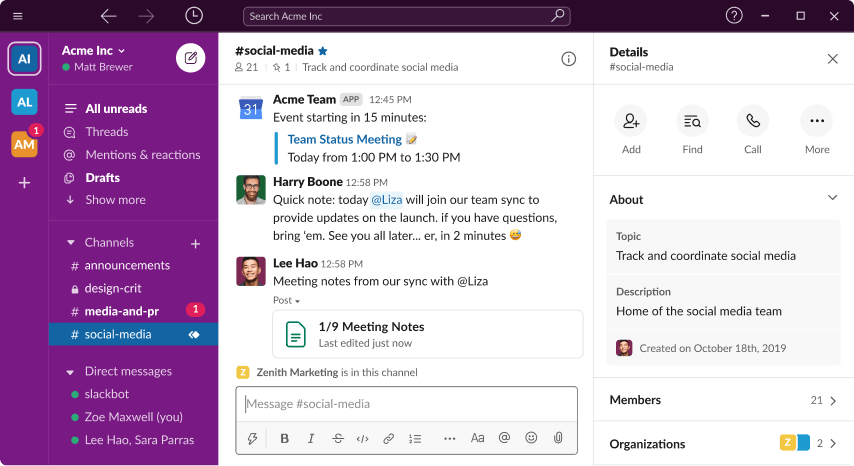
Electronic communication platforms have become increasingly popular in companies as they facilitate efficient and quick communication between employees and teams, especially when they are working remotely or in different locations. Here are some examples of electronic communication platforms used by companies:
Email: Email is one of the most widely used electronic communication platforms in companies. It allows employees to send and receive messages, attachments, and links, making it a versatile tool for both internal and external communication.
Instant messaging (IM) apps: Instant messaging apps, such as Slack, Microsoft Teams, and Google Chat, are widely used by companies for real-time messaging, file sharing, and video conferencing. These platforms allow teams to collaborate and communicate efficiently, regardless of their location.
Video conferencing software: Video conferencing software, such as Zoom, WebEx, and Skype, allow employees to hold virtual meetings with colleagues, clients, and partners.They offer a range of features, including screen sharing, recording, and chat, making them a useful tool for remote work and long-distance collaboration.
Intranet: An intranet is a private network that is only accessible to employees within an organization. It can be used to share company news, policies, and procedures, as well as to collaborate on projects and communicate with colleagues.
Project management software: Project management software, such as Asana, Trello, and Jira, allows teams to organize and track tasks and projects in real-time. These platforms often include communication features, such as comments and notifications, to keep teams updated on project progress and deadlines.
Enterprise social networking (ESN): ESN platforms, such as Yammer, Chatter, and Workplace by Facebook, are designed to facilitate communication and collaboration among employees. They allow employees to create profiles, join groups, share updates and documents, and participate in discussions, making them a useful tool for building a strong company culture.
Overall, electronic communication platforms have become an essential part of modern workplace communication, offering a range of features and benefits that can help companies to work more efficiently and effectively.
Conclusion
In conclusion, efficient communication in the workplace has numerous benefits that contribute to the success of an organization.
When communication is clear, concise, and timely, employees are able to collaborate effectively, make informed decisions, and achieve their goals.
Efficient communication also helps to reduce errors, misunderstandings, and conflicts, which can save time and resources. Furthermore, it can improve employee engagement, job satisfaction, and overall morale.
Therefore, investing in efficient communication strategies and tools, such as electronic communication platforms and standardized forms, can have a significant positive impact on the productivity an success of any business.
Abe Jarjoura D.D.S., M.S.
Founder: Dental Care Team Group
Founder: Abe Jarjoura Training LLC
-
7 Ways for Better Communication


“The single biggest problem in communication is the illusion that it has taken place.”
George Bernard ShawIntroduction
Communication is everything!
Whether between spouses, parents and children, leaders and their teams, soldiers on the field, scientists and their piers and a million other examples.
An obvious area where good communication will be crucial to success is between the patient and the dental team . That could include the dentist, the treatment coordinator, the office manager or anyone involved in that phase of treatment.
The better the exchange of information, the more effective and fruitful the encounter…. For both parties!
Here are 7 ways to help you improve your communication:
Listen Actively

Good communication is not just about speaking, it’s also about listening. Make sure to give your full attention to the person you’re talking to and show that you’re INTERESTED in what they have to say.
There is research that supports the idea that active listening can improve communication.
Active listening is a type of listening that involves focusing on the speaker, paying attention to their words, nonverbal cues, and understanding their message.
This type of listening requires effort and engagement from the listener, and it can help to build rapport and trust, reduce misunderstandings, and improve the overall quality of communication.
For example, a study published in the Journal of Educational Psychology found that active listening skills can lead to more effective communication, better relationships, and improved academic outcomes for students.
Another study published in the Journal of Business and Psychology found that active listening skills can improve the quality of supervision in organizations, leading to increased job satisfaction, lower turnover rates, and improved productivity.
Speak clearly

Speak clearly and use simple language to ensure that your message is understood.
There have been several studies that have investigated the effects of speaking clearly on communication.
One study published in the Journal of Nonverbal Behavior found that people who speak clearly and at an appropriate rate are perceived as more confident, competent, and credible.
Another study published in the Journal of Phonetics found that clear speech can improve the listener’s ability to understand and remember spoken information.
In addition, a study published in the International Journal of Speech-Language Pathology found that clear speech can improve the listener’s impression of the speaker’s intelligence and social status. These findings suggest that speaking clearly is an important aspect of effective communication.
Use nonverbal communication

Nonverbal communication such as facial expressions, gestures, and tone of voice can help to reinforce or add meaning to what you’re saying.
There have been numerous studies that demonstrate the positive impact of effective nonverbal communication on interpersonal communication and relationships. Some of these studies include:
“The Importance of Nonverbal Communication in Professional Settings,” by John A. Wiener, which showed that effective nonverbal communication can enhance credibility, trust, and rapport.
“The Impact of Nonverbal Communication on Perceptions of Trustworthiness,” by Charles L. Martin and Debra L. Smith, which demonstrated that nonverbal cues, such as eye contact and facial expressions, have a significant impact on people’s perceptions of trustworthiness.
“The Role of Nonverbal Communication in Mediating the Effects of Stereotypes,” by Patti M. Valkenburg, which showed that nonverbal cues can mitigate the negative effects of stereotypes and improve intergroup relations.
“The Effects of Nonverbal Immediacy Behaviors on Liking,” by D. Scott Deatherage, which demonstrated that nonverbal behaviors, such as proximity and touch, can positively impact liking and interpersonal attraction.
Overall, these studies highlight the important role that nonverbal communication plays in creating effective communication and improving relationships.
Ask questions

Asking open-ended questions can help to encourage conversation and better understanding.
There have been several studies conducted on the effects of asking open-ended questions in communication. Here are a few key findings:
Encourages Active Listening: Open-ended questions require active listening, which can improve the overall quality of the conversation.
Facilitates Understanding: Open-ended questions help to clarify and expand on ideas, leading to a deeper understanding between the communicators.
Promotes Engagement: By inviting the other person to share their thoughts and feelings, open-ended questions encourage participation and engagement.
Builds Relationships: Open-ended questions can be used to build trust and rapport, leading to more positive and productive relationships.
Encourages Creativity: Open-ended questions can stimulate new ideas and approaches, encouraging creative thinking and problem solving.
These studies suggest that asking open-ended questions is an effective communication strategy that can lead to improved understanding, engagement, relationships, and creativity.
Avoid assumptions

Don’t assume that you know what the other person is thinking or feeling. Ask for clarification if needed.
There are several studies that have investigated the impact of assumptions on communication. These studies suggest that making assumptions can lead to misunderstandings, miscommunication, and conflict in relationships. Some key findings include:
Biased assumptions: Research has shown that people often make assumptions based on their own biases and stereotypes, which can lead to distorted perceptions of others and interfere with effective communication.
Decreased empathy: Making assumptions can prevent people from fully understanding the perspectives and emotions of others, leading to decreased empathy and reduced rapport.
Miscommunication: When people make assumptions, they may not ask clarifying questions or actively listen to what others are saying, which can lead to miscommunication and misunderstandings.
Conflict: Assumptions can also lead to conflict, as people may act on their perceptions without fully understanding the situation, leading to frustration and miscommunication.
Overall, these studies highlight the importance of avoiding assumptions in communication and being mindful of one’s own biases and perceptions in order to foster effective and empathetic communication.
Practice empathy

Try to understand and relate to the other person’s perspective. Show that you care about their thoughts and feelings.
There are numerous studies that have investigated the relationship between empathy and communication. Here are a few examples:
A study published in the journal “Personality and Social Psychology Review” found that individuals who are high in empathy tend to have better communication skills, and are better able to understand and respond to the emotional needs of others.
Another study published in the “Journal of Nonverbal Behavior” found that empathetic individuals are better at accurately decoding nonverbal cues, such as facial expressions and body language, which are important for effective communication.
Research published in the “Journal of Applied Psychology” found that individuals who are high in empathy are better able to build rapport with others, and are more likely to engage in constructive conflict resolution and problem-solving.
A study published in the “Journal of Business and Psychology” found that individuals who are high in empathy tend to be more persuasive, and are better able to influence others in a positive manner.
Overall, these studies suggest that empathy plays a significant role in effective communication, and individuals who are high in empathy tend to have better communication skills, more effective conflict resolution, and improved influence and persuasion abilities.
Be open to feedback

Be open to feedback and be willing to adjust your communication style if necessary.
There have been numerous studies that have investigated the impact of feedback on communication. Here are some key findings from these studies:
Positive feedback can improve relationships and foster a sense of trust and collaboration in communication.
Negative feedback can hinder communication and lead to decreased motivation and decreased trust in the relationship.
Providing specific and timely feedback can increase the effectiveness of communication and improve outcomes.
Feedback that is delivered in a constructive manner can be particularly useful in enhancing communication, whereas feedback that is delivered in a negative or critical manner can have detrimental effects.
Providing feedback that is well-balanced and incorporates both positive and negative comments can help to increase the effectiveness of communication and foster a sense of mutual respect.
These findings suggest that feedback plays an important role in shaping the quality of communication and that it is important to approach feedback in a way that promotes positive outcomes.
Conclusion
Communication is at the base of every interaction in life!
The exchange of information where it emanates from one source and is received and understood by another is the basis for communication, whether it’s a dentist explaining the need for treatment to a patient or a parent making sure the child goes to bed on time.
“How well we communicate is not determined by how well we say things but how well we are understood.”
Andrew Grove
Abe Jarjoura D.D.S., M.S.
Founder: Dental Care Team Group
Founder: Control “Freaks”- A Group for Professionals Who Want to Smile More
-
7 ways to Improve Your Memory


“God gave us memory so that we might have roses in December.”
J.M. BarrieIn order to have better memory you should:
Get enough sleep
Sleep plays a crucial role in memory consolidation, so make sure you’re getting enough rest each night.

There are studies that support a link between good sleep and good memory.
Adequate and high-quality sleep has been shown to enhance the consolidation of memories and improve learning and recall.
It also helps to reduce the risk of cognitive decline, boost brain plasticity, and support overall brain health.
Some specific studies have shown that sleep can enhance memory consolidation for newly learned information, particularly for procedural memory (how to perform actions), declarative memory (facts), and emotional memories.
Additionally, sleep-deprived individuals have demonstrated decreased memory performance compared to those who have adequate sleep.
Exercise regularly
Regular physical activity helps to improve blood flow to the brain, which can help to improve memory and cognitive function.

There is a growing body of research that suggests a link between physical exercise and improved memory.
Some studies have shown that regular physical activity can help increase the size of the hippocampus, a region of the brain associated with memory and learning.
Exercise has also been found to increase the production of growth factors and neurotransmitters that are important for maintaining and improving brain function.
For example, a study published in the journal “Frontiers in Aging Neuroscience” found that moderate intensity aerobic exercise improved memory function in older adults.
Another study published in the “British Journal of Sports Medicine” found that resistance exercise training improved memory performance in older adults.
Overall, the research suggests that physical exercise can have a positive impact on memory and cognitive function. However, more research is needed to fully understand the mechanisms behind this link and to determine the optimal type, intensity, and duration of exercise for improving memory.
Eat a healthy diet
A diet that is rich in fruits, vegetables, and omega-3 fatty acids can help to boost brain health and improve memory.

There is a growing body of research linking a healthy diet with improved memory and cognitive function. Here are a few examples of studies in this area:
A study published in the journal “Appetite” found that a Mediterranean-style diet, rich in fruits, vegetables, whole grains, and healthy fats, was associated with better memory and cognitive function in older adults.
Another study published in the “Journal of Gerontology” found that a diet high in antioxidants, such as those found in fruits and vegetables, was linked to better memory and cognitive function in older adults.
A study published in the “British Journal of Nutrition” found that a diet high in omega-3 fatty acids, found in foods like fatty fish, was associated with better memory and cognitive function in older adults.
A study published in the “Journal of Alzheimer’s Disease” found that a diet high in sugar and processed foods was associated with poorer memory and cognitive function.
These studies suggest that eating a healthy, balanced diet can help support memory and cognitive function, especially as we age.
Learn new things
Keeping your brain active by learning new things can help to improve memory and cognitive function.

There have been several studies that suggest a relationship between learning new things and improved memory. Here are a few examples:
“Enrichment effects on adult cognitive development: Can the functional capacity of older adults be preserved and enhanced?” (Clinical Psychology Review, 2006) – This study found that engaging in complex and challenging cognitive activities, such as learning new things, can have a positive effect on memory and cognitive function in older adults.
“Lifelong learning and the maintenance of cognitive function” (Psychology and Aging, 2005) – This study found that individuals who engage in lifelong learning, such as taking classes or learning new skills, have better cognitive function and memory compared to those who do not.
“Physical exercise and brain plasticity in aging” (Aging Research Reviews, 2009) – This review of multiple studies found that physical exercise and learning new things can both have positive effects on brain plasticity, including memory, in older adults.
These studies suggest that engaging in activities that challenge the brain, such as learning new things, can have a positive impact on memory and cognitive function.
Meditate
Regular meditation can help to improve focus and concentration, which can in turn help to improve memory.

There have been several studies conducted on the relationship between meditation and memory. Here are a few key findings:
A study published in the journal Frontiers in Aging Neuroscience found that mindfulness meditation practices can help to improve working memory and cognitive control.
Another study published in the Journal of Alzheimer’s Disease found that meditation practice can help to reduce age-related memory decline and improve memory functioning in older adults.
Research published in the journal Frontiers in Human Neuroscience showed that meditation can lead to structural changes in the brain that support improved memory, such as increased thickness in regions involved in executive attention and sensory processing.
A review of several studies published in the journal Mindfulness found that mindfulness meditation can enhance cognitive abilities, including working memory and executive control processes.
These studies suggest that meditation can be a valuable tool in supporting and improving memory function.
Repeat information
Repeating information multiple times can help to improve your ability to remember it.

There have been several studies investigating the link between repetition and memory improvement. Some of these studies have found that repetition can be an effective way to improve memory for certain types of information.
For example, a study published in the journal “Memory & Cognition” found that repeating information several times helped participants to remember it more effectively than simply reading it once.
Another study published in the journal “Psychology and Aging” found that repetition was particularly helpful for older adults, who showed improved memory performance after repeating information multiple times.
However, repetition is not always the most effective way to improve memory, as other strategies such as spaced repetition or elaboration can be more effective for certain types of information or learners.
Organize your environment
A tidy and organized environment can help to reduce distractions and improve focus, which can help to improve memory.

Research has shown that having an organized environment can impact cognitive functioning, including memory.
For example, a study published in the journal “Psychology Today” found that a cluttered and disorganized environment can interfere with a person’s ability to focus and process information, leading to decreased memory performance.
On the other hand, a study published in the “Journal of Environmental Psychology” found that a clean, organized, and well-ordered environment is associated with higher levels of well-being, reduced stress, and improved cognitive functioning, including memory.
These findings suggest that having an organized environment can play a role in improving memory and cognitive function.
I’ll leave you with this quote ( and I hope you’ll remember it 🙂
“If you tell the truth, you don’t have to remember anything.”
Mark Twain
Abe Jarjoura D.D.S., M.S.
Founder: Dental Care Team Group
Founder: Control “Freaks”- A Group for Dentists Who Want to Smile More
-
10 Rules for Success in any Endeavor

“Action is the foundational key to all success.”
Pablo Picasso
Introduction
According to Oxford, Success is the “accomplishment of an aim or a purpose.”
In order to accomplish our goals and consider our self successful ( at least according the the definition above,) there are 10 rules, if followed, will increase our chances of success.
I will list those 10 rules below:
Set clear and specific goals
Establish what you want to achieve and develop a plan to reach your goals.

There have been multiple studies that suggest a positive correlation between setting clear goals and success. These studies have shown that people who set clear, specific and challenging goals are more likely to achieve success compared to those who don’t.
For example, a study by Locke and Latham (2002) showed that individuals who set specific, challenging and attainable goals performed better compared to those who had no specific goals or easy goals.
Another study by Litwin and Stringer (1968) found that goal setting can help increase motivation, focus, and effort towards achieving the set goals.
Additionally, a review of several studies by S.M.A.R.T goals (Specific, Measurable, Achievable, Relevant and Time-bound) showed that goal setting can lead to improved performance and satisfaction.
Overall, these studies highlight the importance of setting clear and achievable goals in increasing the likelihood of success.
Believe in yourself
Self-confidence and belief in yourself is crucial for success in any endeavor.

There have been several studies that have investigated the link between belief in oneself (self-efficacy) and success.
One such study, published in the Journal of Applied Psychology, found that individuals who had a higher belief in their abilities were more likely to set and achieve their goals.
Another study, published in the Journal of Educational Psychology, found that students who had higher self-efficacy were more likely to persist in their academic pursuits and had higher grades compared to those who had lower self-efficacy.
Other studies have found similar results, suggesting that belief in oneself is a key factor in achieving success.
Be persistent
Successful people don’t give up easily, they keep pushing forward even in the face of obstacles.

There are several studies that suggest a strong correlation between persistence and success. Here are a few examples:
A study published in the Journal of Educational Psychology found that individuals who are more persistent in reaching their goals are more likely to achieve success in both academic and professional settings.
A meta-analysis of motivation and persistence research published in the Psychological Bulletin found that persistence was one of the most important predictors of academic achievement.
A study published in the Journal of Personality and Social Psychology found that persistence is a strong predictor of success in entrepreneurship, with persistent individuals being more likely to start and succeed in a business venture.
These studies suggest that persistence is a critical factor in determining success in various domains, and that individuals who are persistent in pursuing their goals are more likely to achieve success.
Learn from failures
Failure is an inevitable part of any endeavor, but it can be a valuable source of learning and growth.

There have been several studies that have explored the relationship between learning from failures and success.
Some of these studies have found that individuals who are able to learn from their failures and use this learning to improve their performance are more likely to achieve success.
For example, a study published in the Journal of Business Venturing found that entrepreneurs who learned from their failures were more likely to achieve success in their future ventures.
Another study published in the journal “Personality and Social Psychology Review” found that individuals who were able to learn from their failures and persevere in the face of obstacles were more likely to achieve their goals.
Additionally, a meta-analysis of multiple studies found that resilience and persistence, which are both related to learning from failures, are important predictors of success in various domains, including education and career.
Take calculated risks
Sometimes, taking a calculated risk is necessary to achieve success.

Studies have shown that taking calculated risks can play a significant role in success. People who take calculated risks are more likely to succeed because they have taken the time to weigh the potential benefits against the potential drawbacks.
The ability to make well-informed decisions is crucial in today’s rapidly changing world, and taking calculated risks can help individuals make the most of opportunities as they arise.
Research has shown that people who take calculated risks are more likely to innovate, create new opportunities, and achieve long-term success.
A study conducted by the University of Pennsylvania found that entrepreneurs who took calculated risks were more likely to succeed than those who played it safe.
Additionally, a study conducted by the Harvard Business Review found that executives who take calculated risks are more likely to be promoted and succeed in their careers.
Stay focused
Successful people are able to maintain focus and avoid distractions.

Studies have shown that having a clear focus and direction in life, as well as avoiding distractions, can lead to greater success.
Research has found that people who are able to stay focused on their goals tend to have better outcomes than those who are easily sidetracked.
This is because focus helps individuals prioritize their time and energy, and channel their efforts towards the things that are most important to them.
Additionally, having a clear and well-defined focus can help individuals make better decisions, avoid procrastination, and increase their overall motivation and engagement in their work.
Seek knowledge and improve your skills
Continuous learning and self-improvement are essential for success.

Studies have shown that seeking knowledge and continuous learning can be positively linked with success. Here are a few examples:
The Relationship between Continuing Education and Career Success – A study by the University of Phoenix found that continuous education can increase a person’s earning potential and job satisfaction.
The Impact of Formal Education on Career Success – A study published in the Journal of Education and Practice found that formal education can improve a person’s chances of success in their career.
Lifelong Learning and Success in the 21st Century – A report by the European Commission highlights the importance of lifelong learning in the modern job market and how it can improve a person’s chances of success.
The Influence of Education on Career Development – A study by the American Journal of Educational Research found that education has a positive impact on a person’s career growth and success.
The Effect of Education on Career Success – A study by the International Journal of Education and Research found that education can help individuals develop the necessary skills and knowledge for success in their careers.
Network
Building relationships with others can open up new opportunities and provide valuable support.

There have been several studies that show a correlation between networking and success in various fields including business, career advancement, and personal development.
Networking allows individuals to build relationships, exchange information, and gain exposure to new opportunities.
For example, a study published in the Academy of Management Journal found that individuals who engage in proactive networking behaviors, such as attending networking events, are more likely to experience career success.
Another study published in the Journal of Business and Psychology found that people who have strong professional networks are more likely to receive job offers, receive help with job searching, and receive information about job opportunities.
These studies suggest that networking can be a powerful tool for individuals looking to achieve success in their careers or personal lives.
By building relationships, exchanging information, and connecting with others, individuals can increase their chances of achieving their goals and reaching their full potential.
Maintain a positive attitude
A positive attitude can help you overcome challenges and achieve your goals.

The Light Head. Silhouette of young woman on sky background with sun in her head. There have been numerous studies that have explored the relationship between a positive attitude and success.
These studies suggest that having a positive outlook can help individuals overcome obstacles, deal with stress, and improve their overall well-being.
Some of the benefits of a positive attitude include increased happiness, better physical health, improved relationships, and greater success in both personal and professional settings.
Additionally, research suggests that people who possess a positive attitude are better able to persevere in the face of setbacks and are more likely to achieve their goals.
Take action
Successful people don’t just talk about their goals, they take action and make them happen.

There are numerous studies that suggest a strong link between taking action and success.
For example, one study published in the Journal of Applied Psychology found that individuals who take proactive action towards their goals tend to experience greater success in their personal and professional lives.
Other studies have shown that people who take consistent and persistent action towards their goals are more likely to achieve them than those who simply wait for opportunities to present themselves.
Taking action requires courage, commitment, and a willingness to embrace challenges, and it is this proactive approach that can lead to significant success in many areas of life.
Conclusion
I can’t think of a better way to end this blog than relating a quote by Woody Alan:
“Eighty percent of success is showing up.”
Woody AllenAbe Jarjoura D.D.S., M.S.
Founder: Dental Care Team Croup
Founder: Control “Freaks”- A Group for Dentists Who Want to Smile More
https://www.facebook.com/groups/dentistscontrol
-
10 Benefits of Regularly Expressing Gratitude

“Gratitude is not only the greatest of virtues, but the parent of all the others.”
Marcus Tullius Cicero
Introduction
Gratitude has been shown to have numerous benefits in various areas of life, including mental and physical health, relationships and general well-being.
Gratitude has been studied within several disciplines including psychology, sociology and neuroscience, and is considered and designated as a positive emotion.
10 of the benefits of gratitude that are supported by research include the following:
Improved emotional well-being
Practicing gratitude can help reduce negative emotions such as anger, resentment, and frustration and increase positive emotions such as happiness and contentment.

Joyful black millennial guy jumping up and pointing aside, panorama with free space, yellow studio background. Happy african american man jumping in the air, showing advertisement or text A number of studies have explored this relationship, including studies conducted in a variety of settings, such as schools, workplaces, and clinical populations.
These studies have consistently found that individuals who report higher levels of gratitude experience greater overall well-being, including higher levels of life satisfaction, positive affect, lower levels of depression and anxiety, and better physical health outcomes, among other benefits.
Additionally, some research has also suggested that practicing gratitude on a regular basis can lead to lasting changes in well-being over time.
Enhanced physical health
Gratitude has been linked to improved sleep, better immune function and lower blood pressure.

A study published in the Journal of Personality and Social Psychology found that individuals who practice gratitude have better sleep, lower blood pressure, and improved heart rate variability, which is an indicator of stress and health.
A study published in the journal Psychosomatic Medicine found that individuals who reported higher levels of gratitude had lower levels of inflammation, which is linked to various chronic health conditions.
A study published in the Journal of Positive Psychology found that individuals who wrote letters of gratitude experienced improved physical health, including a decrease in symptoms of headaches, chest pain, muscle pain, and stomach pain.
Increased resilience
Gratitude can help individuals become more resilient in the face of adversity and bounce back more quickly from challenges.

Studies that established a link between gratitude and resilience include:
Gratitude and resilience: A review and theoretical integration” by Joel Wong and Timothy J. Lopez (2017), which reviewed the empirical literature on gratitude and resilience and found a positive relationship between the two.
“Gratitude and coping with stress” by Anthony Ong, Cameron J. Norris, and Jennifer M. Hsiao (2015), which found that gratitude was associated with better stress coping among college students.
“Gratitude and post-traumatic growth: The role of gratitude in positive psychological adjustment after trauma” by Megan Rossi and Jeffrey J. Froh (2016), which found that gratitude was associated with increased resilience and post-traumatic growth among trauma survivors.
“Gratitude and depression: The role of gratitude in the treatment of depression” by Robert A. Emmons and Michael E. McCullough (2003), which found that gratitude was associated with reduced depression symptoms and improved mental health.
Enhanced relationships
Showing gratitude towards others can improve relationships and strengthen social connections.

Studies have shown that practicing gratitude can improve relationships by fostering positive feelings and increasing satisfaction in both personal and professional relationships. Research has also shown that gratitude can improve communication, reduce conflict, and increase empathy and forgiveness in relationships.
Some studies that show the relationship between regularly expressing gratitude and improved relationships include:
Emmons, R. A., & McCullough, M. E. (2003). Counting blessings versus burdens: An experimental investigation of gratitude and subjective well-being in daily life. Journal of Personality and Social Psychology, 84(2), 377–389.
Algoe, S. B., Haidt, J., & Gable, S. L. (2008). Beyond reciprocity: Gratitude and relationships in everyday life. Emotion, 8(3), 425–429.
Kamdar, B., Fincham, F. D., & Davila, J. (2007). Gratitude in romantic relationships: A longitudinal study. Personal Relationships, 14(4), 517–534.
Cheng, H., & Frey, B. S. (2015). Gratitude and well-being: The benefits of appreciation. In Oxford Handbook of Well-Being and Public Policy (pp. 53–67). Oxford University Press.
Seligman, M. E. P., Steen, T. A., Park, N., & Peterson, C. (2005). Positive psychology progress: Empirical validation of interventions. American Psychologist, 60(5), 410–421.
Enhanced self esteem
Practicing gratitude can boost self-esteem and self-worth.

One study, published in the Journal of Research in Personality, found that individuals who practiced gratitude experienced an increase in self-esteem compared to those who did not practice gratitude.
Another study, published in the Journal of Clinical Psychology, found that gratitude was positively associated with self-esteem, suggesting that gratitude can help improve an individual’s self-concept and self-worth.
A study published in the Journal of Positive Psychology found that individuals who regularly engaged in gratitude activities, such as writing letters of gratitude or listing things they are thankful for, experienced higher levels of self-esteem and overall well-being compared to those who did not practice gratitude.
Enhanced mental strength
Gratitude can help individuals develop a more positive outlook on life and become more mentally strong.

Studies have shown that practicing gratitude can have a positive effect on mental strength. The practice of gratitude has been linked to increased feelings of well-being, reduced stress and anxiety, and improved mood.
Additionally, regularly expressing gratitude has been shown to help individuals develop a more positive outlook and greater resilience, which can help them better cope with life’s challenges.
For example, a study published in the Journal of Personality and Social Psychology found that individuals who wrote letters expressing gratitude experienced increased levels of positive emotions, including happiness and life satisfaction, compared to those who wrote about negative experiences.
Another study published in the Journal of Positive Psychology found that individuals who practiced gratitude experienced reduced symptoms of depression and anxiety, and increased feelings of hope, optimism, and overall well-being.
Improved motivation and productivity
Being grateful for what you have can increase motivation to achieve more and become more productive.

Success and victory in the mountains. Research suggests that expressing gratitude can increase intrinsic motivation, which is the type of motivation that comes from within, such as a personal interest or enjoyment in a task.
A study published in the Journal of Positive Psychology found that gratitude increased participants’ motivation to pursue their goals, leading to greater productivity.
Another study published in the Journal of Personality and Social Psychology found that individuals who practiced gratitude experienced increased levels of motivation and engagement in their daily activities.
Additionally, a study published in the International Journal of Workplace Health Management found that gratitude interventions can enhance work engagement, motivation, and job satisfaction among employees. These studies suggest that gratitude can play a positive role in enhancing motivation and productivity.
Improves decision-making
Gratitude can help individuals make more thoughtful and rational decisions.

There is limited research that directly links gratitude and rational decision making, however, studies suggest that a positive and grateful mindset can impact our behavior and decision making in a number of ways. Here are some studies that highlight the relationship between gratitude and rational decision making:
A study published in the Journal of Positive Psychology found that individuals who practice gratitude exhibit greater pro-social behavior and decision making.
Another study published in the journal Emotion found that gratitude increased rational decision making by decreasing the influence of emotionally charged information.
Research has also shown that people who regularly practice gratitude have better emotional regulation and are less prone to negative emotions, which can interfere with rational decision making.
A study published in the Journal of Research in Personality found that gratitude can increase feelings of control and autonomy, leading to greater decision-making confidence and better outcomes.
Increases creativity
Gratitude can foster a more open and curious mindset, which can lead to increased creativity.

Boy draws with a brush an abstract big light bulb. Concept of innovation and creativity Several studies have explored the relationship between gratitude and creativity. Some of these studies have found that gratitude can enhance creativity in several ways. Here are a few studies that show the connection between gratitude and creativity:
The effect of gratitude on creativity: An experimental study (Khansari et al., 2016) found that gratitude can increase creative performance, by providing a new and unique perspective.
Gratitude and creativity: An empirical examination (Watkins et al., 2016) found that gratitude was positively related to both divergent and convergent thinking, which are key components of creative problem-solving.
The influence of gratitude on creative and professional tasks (Della Porta et al., 2014) found that gratitude increased both the quantity and quality of creative output, as well as professional productivity.
A systematic review of the role of gratitude in psychological well-being (Kashdan et al., 2009) found that gratitude was positively related to overall life satisfaction and the ability to experience positive emotions, both of which are important factors in enhancing creativity.
Enhances overall satisfaction
Practicing gratitude can lead to increased overall satisfaction with life.

There have been numerous studies that have investigated the relationship between gratitude and overall life satisfaction. These studies have found that gratitude can have a positive impact on subjective well-being, happiness, and life satisfaction. For example:
A study published in the journal “Personality and Individual Differences” found that gratitude is positively associated with life satisfaction, and this relationship is partially explained by increased positive emotions and decreased negative emotions.
A study published in the journal “Emotion” found that gratitude is associated with greater life satisfaction and a more optimistic outlook on life.
A study published in the journal “Applied Psychology: Health and Well-Being” found that individuals who practice gratitude regularly have higher levels of life satisfaction and overall happiness.
A study published in the journal “The Journal of Positive Psychology” found that gratitude interventions (such as keeping a gratitude journal) can lead to increased life satisfaction and well-being.
Conclusion
Gratitude is the basis of self care and advancement in life.
It forms the foundation on which we can build a prosperous and fulfilling life.
Gratitude is not just words, but a way of life that is expressed beautifully in this quote by John F. Kennedy;
“As we express our gratitude, we must never forget that the highest appreciation is not to utter words, but to live by them.”
John F. KennedyAbe Jarjoura D.D.S., M.S.
Founder: Dental Care Team Croup
Founder: Control “Freaks”- A Group for Dentists Who Want to Smile More
https://www.facebook.com/groups/dentistscontrol
-
7 ways to Increase Your Charisma


“Charisma is not something that you either have or don’t have. It’s a combination of authenticity, confidence, and the ability to connect with others.”
John KotterIntroduction
Charisma or the ability to connect with your patients is of paramount importance when it comes to effective communication.
It increases the trust and affinity that your patients will feel and project to you. With that increased affinity, their acceptance to your recommendations is bound to increase, driving case acceptance upwards.
Being confident, authentic and genuinely concerned and caring will shoot your charisma upwards making your patients want to refer as many people to you as possible. People that want your services and are ready to accept your recommendations.
In this article I have included 7 ways you can boost your charisma;
- Be Authentic
People can usually tell whether someone is sincere or fake. Being true to yourself and showing genuine interest in others can help to improve your charisma.

There are several studies that support the idea that being authentic and genuine can improve one’s charisma. One study conducted by psychologists at the University of California, Berkeley, found that people who were perceived as being genuine and authentic in social situations were rated as more charismatic than those who were seen as insincere or inauthentic.
Another study, published in the journal Personality and Social Psychology Review, found that individuals who were rated as more authentic tended to have higher levels of social influence and interpersonal attraction compared to those who were seen as less authentic. These findings suggest that being genuine and authentic can be a key factor in building charisma and forming strong relationships with others.
2. Be Confident
Confidence is a key component of charisma. When you are projecting confidence practice good posture, make eye contact, and speak with conviction.
There have been several studies that support the idea that confidence is a key factor in improving one’s charisma. One study, published in the Journal of Personality and Social Psychology, found that individuals who were rated as confident were also rated as more charismatic.
Another study, published in the Journal of Applied Social Psychology, found that participants who were primed to feel confident before a social interaction were rated as more charismatic than those who were not primed to feel confident.
Additionally, research has shown that people who exhibit high levels of confidence tend to have better communication skills and are more effective at influence and persuasion, which can also contribute to their perceived charisma.
These studies suggest that confidence is an important aspect of charisma and can play a role in improving one’s interpersonal skills and ability to form strong relationships with others.
3. Be a Good Listener
Charisma is not only about speaking, but also about listening. Make sure to give your full attention to the person you’re talking to and show that you’re interested in what they have to say.

There are several studies that suggest a strong correlation between good listening skills and increased charisma.
One study published in the Journal of Personality and Social Psychology found that individuals who are considered good listeners are more likely to be perceived as likable, trustworthy, and confident.
Another study published in the Journal of Communication found that individuals who are good listeners are more likely to be perceived as warm, empathetic, and charismatic.
Additionally, being a good listener can help build deeper connections and relationships with others, which can further increase one’s charisma.
4. Show Empathy
Being able to understand and relate to others is a key component of charisma. Show that you care about others by being empathetic and compassionate.

Studies have shown that empathy, or the ability to understand and share the feelings of others, can have a positive impact on one’s charisma.
This is because empathetic people are seen as warm and approachable, which can make others feel more comfortable around them.
Empathy can also help build deeper connections with others, which can further enhance one’s charisma.
Research has also shown that empathy can have a positive effect on communication skills, which can also boost charisma.
5. Use Positive Body Language
Body language is an important aspect of charisma. Use open and confident body language to show that you’re approachable and friendly.

There are several studies that show the impact of body language on charisma. Here are a few examples:
“The impact of nonverbal expressiveness on impression formation: An evaluation of theoretical perspectives.” This study published in the Journal of Nonverbal Behavior found that people with more expressive body language are perceived as being more charismatic.
“The power of a smile: A nonverbal indicator of charisma.” This study published in the Journal of Social Psychology found that people who smile more often are perceived as being more charismatic.
“The effect of eye contact on the perception of charisma.” This study published in the Journal of Social Psychology found that people who make more eye contact are perceived as being more charismatic.
“Charismatic body language: The effect of gesture on impression formation.” This study published in the Journal of Nonverbal Behavior found that people who use more gestures are perceived as being more charismatic.
6. Be Charismatic in Different Situations
Charisma is adaptable, so you need to practice it in different settings. Be charismatic in a meeting, at a party, or even during a phone call.
Studies have shown that being charismatic in different settings can indeed improve one’s overall charisma.
For example, in social settings, being charismatic can make people feel more comfortable and engaged, leading to stronger relationships and more opportunities for social and professional advancement.
In a business setting, being charismatic can help build trust, communicate ideas effectively, and make a positive impression on others.
Charisma is not just about one’s words, but also about nonverbal cues such as posture, eye contact, and tone of voice. So, being charismatic in different settings can help you develop and strengthen your overall charisma.
7. Practice, Practice, Practice
Charisma is a skill that can be developed with practice. The more you practice, the more natural and effortless it will become.

There is some evidence from psychological research to suggest that practicing behaviors associated with charisma, such as being confident, having strong eye contact, using animated gestures, and actively listening to others, can improve one’s charisma over time.
For example, a study published in the Journal of Experimental Social Psychology found that participants who were instructed to engage in charismatic behaviors during a social interaction were rated as more charismatic by observers compared to a control group who did not engage in these behaviors.
Another study published in the Personality and Social Psychology Review found that individuals who regularly practiced nonverbal expressions of charisma, such as smiling and nodding, were rated as more charismatic in social interactions.
These studies suggest that practicing being charismatic can improve one’s charisma over time.
Conclusion
Being charismatic is simply establishing a relationship with your audience whereby you increase their affinity towards you.
The higher the affinity, the more pleasant and effective the interaction.
in our practices, as dentists, we of course communicate with patients. Most of the time, the communication involves a recommendation by us for the patient to have a certain procedure performed to alleviate a problem that we detect, whether the patient is aware of it yet or not.
The higher their affinity towards us, the higher probability they will accept our recommendations.
Abe Jarjoura D.D.S., M.S.
Founder: Dental Care Team Croup
Founder: Control “Freaks”- A Group for Dentists Who Want to Smile More
https://www.facebook.com/groups/dentistscontrol
-
7 Ways Continuing Education Can Help Your Dental Business


“Leadership and learning are indispensable to each other”
John F. KennedyIntroduction
Dentistry, and health care in general, are fast evolving fields, and sometimes at light speed. There is so much new knowledge and associated material being pumped into the market place that it seems impossible to keep up.
One proven way to stay ahead in dentistry is to continuously partake in continuing education.
There are many venues in which to get this information, and so many different subjects ranging from clinical to legal to practice management to financial being offered.
One good thing that government agencies such as dental boards have implemented is mandatory minimum requirements of continuing education hours to maintain licensure ( to keep the public safe and continuously advance the profession.)
I will list seven ways that continuing education can help your dental business, but by no means are those the only benefits…… Far from it.
Improving patient care

By providing ongoing education to your dental staff, you can ensure that they are equipped with the latest knowledge and techniques for providing high-quality patient care.
Increase in revenue

Dental staff who are well-trained and up-to-date with the latest techniques are more likely to identify and recommend treatment options that can increase revenue for the practice.
Attracting and retaining top talent

Offering ongoing education and professional development opportunities can help attract and retain top talent to your dental practice
Compliance with regulations

By providing education on compliance with regulations, you can reduce the risk of malpractice and other legal issues.
Staying competitive

By staying current with the latest advancements in dental technology and techniques, you can stay competitive in a rapidly changing industry.
Improving patient satisfaction

A well-trained staff will be able to provide better care and communication, which can lead to an increase in patient satisfaction.
Enhancing the reputation of the practice

A practice with a reputation for providing ongoing education and training to staff members can be perceived as a leader in the industry, which can help attract new patients and improve the practice’s reputation.
Conclusion
By no means is the above an exhaustive list of the benefits of continuing education to a dental practice, but it’s a good start.
The dentist, hygienists, and registered dental assistants are usually required by law to attain a minimum amount of continuing education credits, but the truly successful dental or any other health care enterprise is the one that provides the opportunity for the whole staff to gain continual knowledge that can be IMPLEMENTED for the benefits of patients and staff.
After all, KNOWLEDGE IS GREAT. IMPLEMENTATION IS EVERYTHING.
Abe Jarjoura D.D.S., M.S.
Founder: Dental Care Team Group
Founder: Control “Freaks”- A group for dentists who want to smile more
-
Subscribe
Subscribed
Have a WordPress.com account? Log in now.

